

Canada Water Agency backs six new freshwater projects across the North
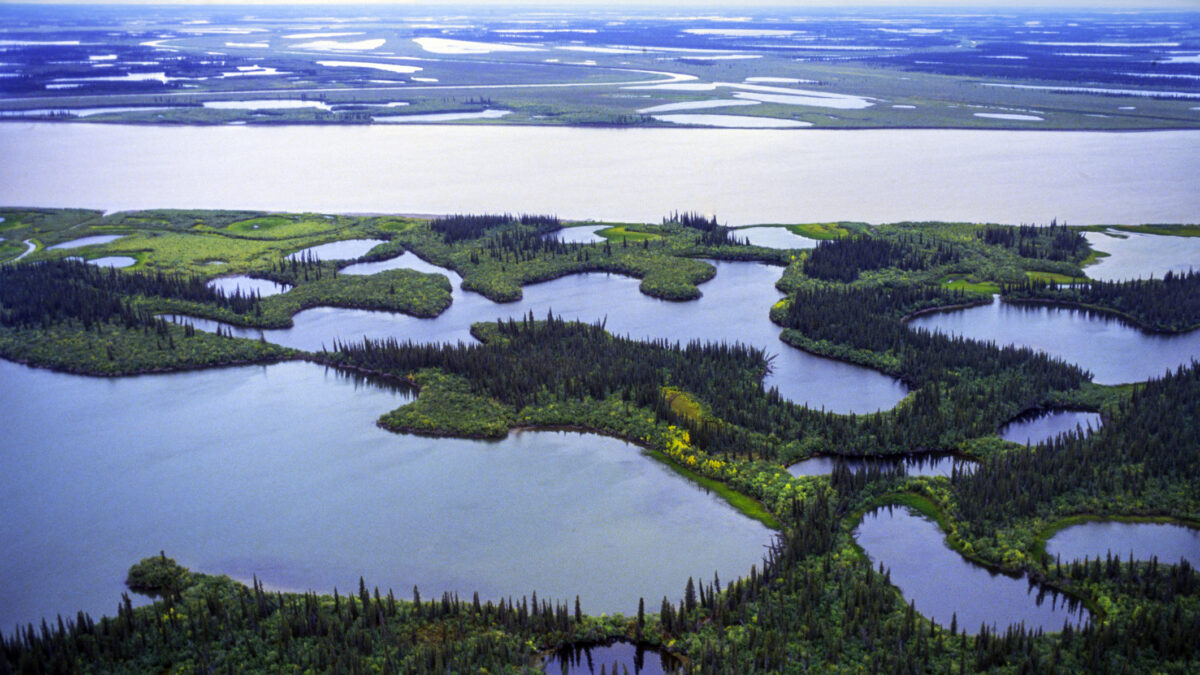
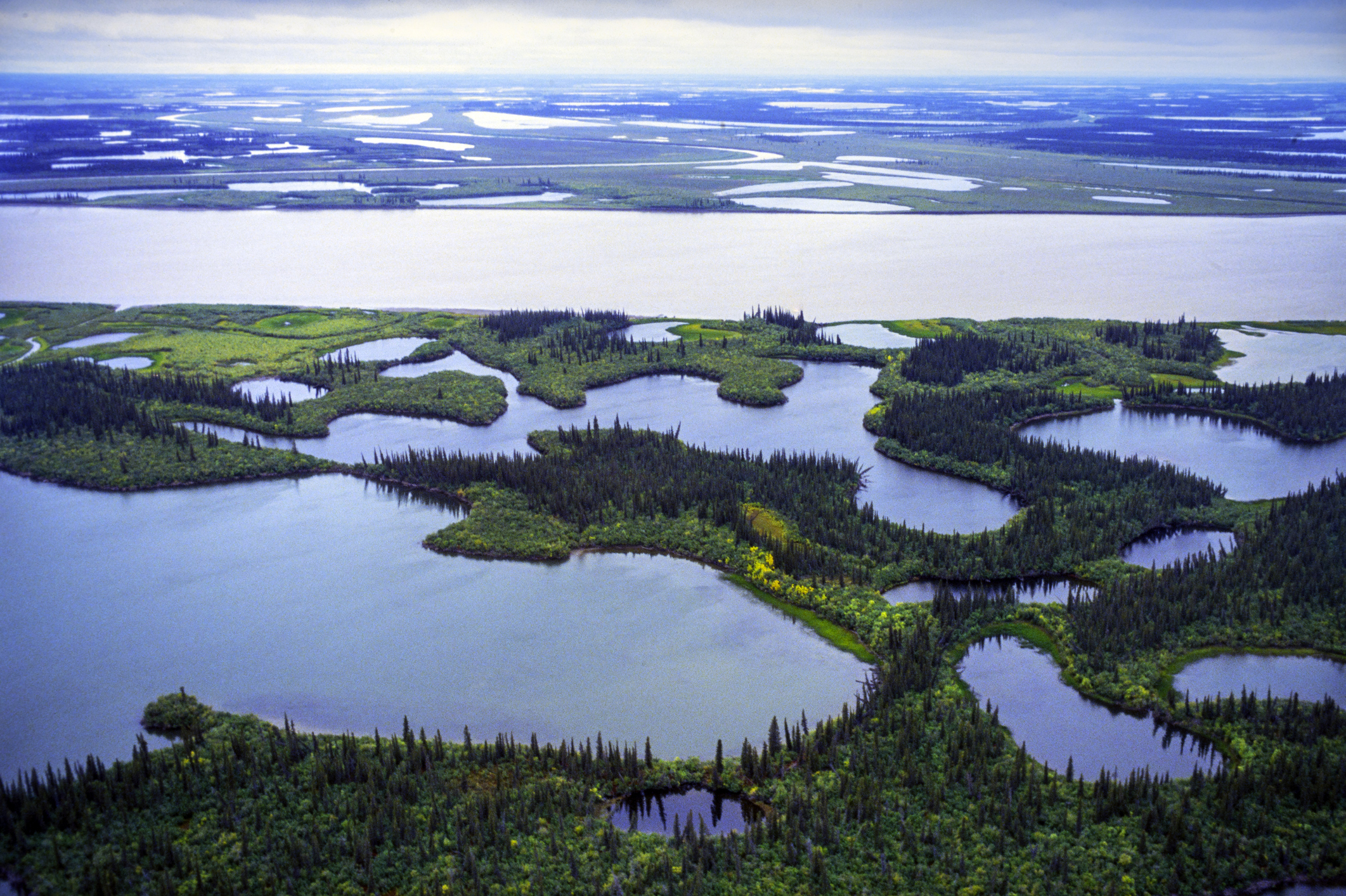
Stretching across five provinces and territories, the Mackenzie River Basin is not only the largest watershed in Canada—it is one of the country’s most defining natural systems. It holds profound cultural and spiritual meaning for many Indigenous communities and underpins major sectors of the northern economy, from agriculture and forestry to resource extraction and hydroelectricity.
Yet this vast freshwater network faces mounting pressures. Industrial activity has affected water quality, quantity and traditional uses. Climate change is accelerating impacts across the North, including increasing sediment flows from melting permafrost and shifts in aquatic species that ripple through ecosystems and communities alike.
Against this backdrop, the Government of Canada is taking action.
On February 12, 2026 in Yellowknife, the Honourable Julie Dabrusin, Minister of Environment, Climate Change and Nature and Minister responsible for the Canada Water Agency, announced an investment of over $1 million in six new projects dedicated to protecting and restoring the health of the Mackenzie River.
These projects are supported through the Canada Water Agency’s Mackenzie River Freshwater Ecosystem Initiative, part of Canada’s strengthened Freshwater Action Plan. The initiative’s priorities have been shaped through ongoing collaboration with the Mackenzie River Basin Board and dialogue with provincial, territorial and Indigenous partners—ensuring that investments reflect regional knowledge, lived experience and shared stewardship goals.
Science, Community and Climate Resilience
Among the recipients is Aurora College, which will receive $198,950 over two years to advance the development of a permafrost-lake landsystem. The project will deepen understanding of the environmental characteristics of lakes and how they respond to climate change.
Taking place in Inuvik, Fort McPherson, Yellowknife and Behchoko in the Northwest Territories, the research will assess how sensitive different types of permafrost lakes are to climate shifts. The resulting data will help communities and decision-makers plan, monitor and manage watersheds more effectively as northern landscapes continue to evolve.
The Gwich’in Renewable Resources Board is receiving $196,326 over two years to study the health of freshwater ecosystems in the Northwest Territories. By examining water samples, sediment cores and aquatic life, the project will track long-term changes in water quality and better understand their impacts on freshwater ecosystems that support the traditional food security of Gwich’in and Dene families.
Beyond research, the initiative will help local communities build the skills and knowledge required to monitor freshwater health and assess climate-related impacts on traditional food sources—strengthening both environmental stewardship and community resilience.
A Watershed Investment in the North’s Future
The projects announced aim to generate lasting social, ecological and economic value. By building local and Indigenous capacity to understand and protect freshwater ecosystems, the initiative strengthens resilience in the face of climate change while supporting sustainable economic activity.
Through the Canada Water Agency, the federal government is enhancing coordination and collaboration with provinces, territories and Indigenous peoples to address freshwater challenges and opportunities—not only in the Mackenzie River Basin, but across Canada.
“Protecting the Mackenzie River is about more than just safeguarding our environment—it’s about supporting the health, food security, and cultural traditions of northern and Indigenous communities. By investing in these freshwater projects, we’re empowering local action to restore and protect this vital ecosystem, while strengthening the economy and building resilience to climate change for generations to come,” expressed the Honourable Julie Dabrusin, Minister of Environment, Climate Change and Nature and Minister responsible for the Canada Water Agency.
As climate pressures intensify and freshwater systems face growing strain, investments like these signal a long-term commitment to a cleaner, more secure and more prosperous future—rooted in science, partnership and respect for the North’s defining river system.
