

Canada has completed one of its most significant criminal justice overhauls in decades, with three major Criminal Code reform bills becoming law in less than eight months.
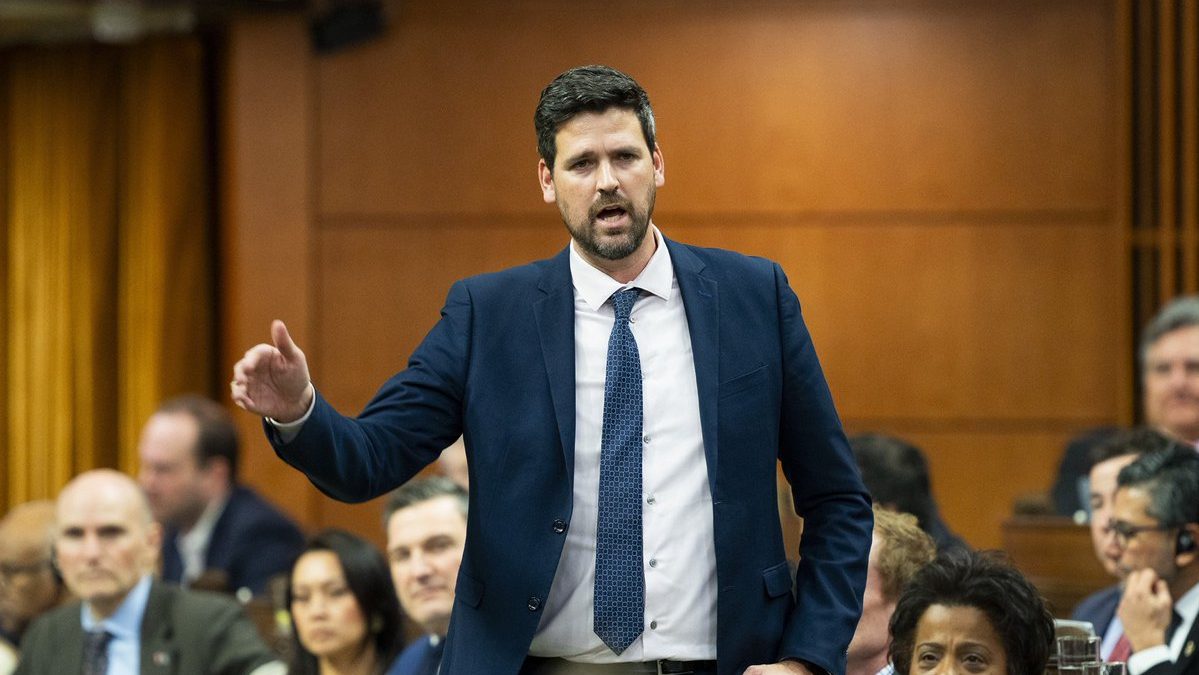
Speaking in Surrey, British Columbia, Justice Minister and Attorney General Sean Fraser highlighted the passage of the Combatting Hate Act, the Bail and Sentencing Reform Act, and the Protecting Victims Act, describing them as a coordinated effort to strengthen public safety, protect victims and survivors, and provide law enforcement with stronger legal tools.
The reforms were developed through consultations with provinces, territories, law enforcement, victims, survivors and other partners, and collectively introduce changes spanning bail, sentencing, hate crimes, intimate-partner violence, child protection and court procedures.
“The Government of Canada is delivering on its promise to protect Canadians from violent crime, intimate-partner violence, femicide, and hate crimes. This is one of the most consequential reforms of the Criminal Code in a generation, and we advanced it with the urgency needed to keep our communities safe,” said the Honourable Sean Fraser, Minister of Justice and Attorney General of Canada.
Among the most significant changes are stricter bail and sentencing rules for violent and organized crime, home invasions, auto theft, human trafficking, extortion and arson. The legislation also introduces additional aggravating factors during sentencing for crimes committed against first responders and public transit workers, organized retail theft, and damage to essential infrastructure.
The reforms also establish femicide as first-degree murder and create new Criminal Code offences targeting coercive control in intimate relationships, threats to distribute non-consensual intimate images, including sexual deepfakes, and other forms of gender-based violence designed to allow earlier intervention before violence escalates.
Children also receive expanded protections through tougher measures aimed at sexual exploitation, online abuse and offenders who target children in Canada or abroad. The legislation increases penalties for a range of serious sexual offences and creates new offences covering threats to distribute child sexual abuse material and distributing bestiality depictions.
“Canadians deserve to feel safe in their homes, communities and places of worship, and our government is delivering on that promise. These landmark reforms strengthen the Criminal Code by providing stronger protections against hate crimes, intimate partner violence, child sexual exploitation and emerging threats such as online sextortion and sexual deepfakes, while making bail harder to obtain for those accused of repeat and violent offending and imposing tougher consequences for serious crimes. I am grateful to provincial, territorial and community partners whose collaboration helped make these reforms stronger. Together, these changes represent one of the most significant criminal justice reforms in a generation and will help build safer communities for all Canadians,” stated Fraser.
The legislation also restores mandatory minimum penalties in circumstances designed to meet constitutional requirements, provides clearer guidance for addressing court delays, including in sexual assault cases, and strengthens victims’ rights to have their interests considered throughout the justice process.
At the same time, new hate crime measures strengthen protections against intimidation and obstruction at places where communities gather, including schools, places of worship and community centres.
Police organizations welcomed the changes, saying they respond directly to concerns raised by front-line officers about repeat violent offenders.
“Bill C-14 is a meaningful and necessary step toward addressing the impact that serious, repeat violent offenders are having on community safety, on victims, and on the police personnel who respond when these individuals reoffend. This work was shaped by unprecedented cooperation among front-line civilian and sworn police personnel across the country, whose direct experience with the consequences of repeat violent offending helped build a virtually unanimous consensus that action was needed. We appreciate the collaboration shown by the Minister of Justice, the Minister of Public Safety, and Parliamentarians from all parties throughout this process. Beyond the important measures contained in the legislation, Bill C-14 sends a clear signal from Parliament that these cases must be treated with the seriousness they deserve. Canadians need to see a justice system that prioritizes public safety, supports victims, and responds effectively when a small number of individuals repeatedly commit serious violent offences,” conveyed Tom Stamatakis, President of the Canadian Police Association.
“The legislated changes included in Bill C-14 recognize the serious impacts of organized crime and chronic and violent offenders within our communities. By passing Bill C-14, the federal government has prioritized public safety and led change that will protect Canadians from preventable harm,” added Thomas Carrique, C.O.M. OPP Commissioner and President of the Canadian Association of Chiefs of Police.
Together, the three new laws represent a broad restructuring of Canada’s criminal justice framework, expanding protections against violent crime, hate-motivated offences, child exploitation and intimate-partner violence while increasing the consequences for serious repeat offenders.
